
Over the past decade, a recurring pattern has emerged across many of the soil, compost, and land‑management projects I’ve worked on. Whether the starting point was compost quality, tree establishment, estate drainage, or compliance pressure around runoff, the same practical issue kept resurfacing: how do you deal with dirty water — water carrying sediment, nutrients, and organic load — before it becomes an environmental or regulatory problem?
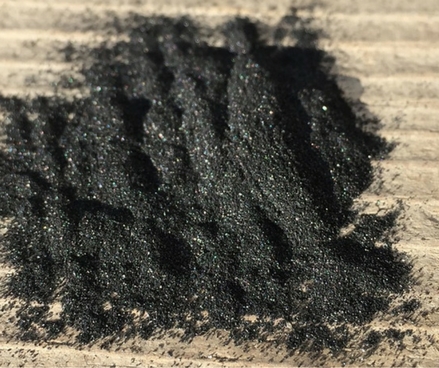
In parallel, biochar kept reappearing as a surprisingly versatile material. Initially explored for soil structure and carbon durability, it began to show potential value in filtration and polishing roles: trapping fine particulates, binding phosphorus, and providing a biologically active surface without the brittleness or cost profile of many conventional media.
Over time, it became clear that this work no longer sat comfortably as a side topic within broader soil or compost discussions. Filtration brings its own constraints: flow rates, clogging risk, maintenance, regulation, and a very different decision logic compared with soil improvement. Trying to cover all of that within a general soil platform risked doing justice to neither.
That is why I’ve launched BiocharFilters.co.uk as a standalone, focused project within the wider AC Innovations ecosystem.
BiocharFilters exists to do a few specific things well:
- Explain where biochar filtration genuinely fits — and where it does not
- Translate real‑world runoff and water‑quality issues into practical design choices
- Explore simple, modular filtration systems that work with gravity, sedimentation, and biology rather than against them
- Share case‑based learning from trials, pilots, and long‑term observations
Equally important is what the project is not. It is not positioned as a catch‑all solution for complex wastewater treatment, CSOs, or membrane‑grade polishing. Nor is it a sales platform pushing a single proprietary product. The intent is clarity, not hype.
BiocharFilters sits alongside other AC Innovations projects — including HealthySoil and Biochar–Humus Composite development — but with a deliberately narrower lens. By separating filtration from soil improvement, each area can be treated with the depth, caution, and technical honesty it deserves.
If you are a land manager, estate owner, designer, or advisor grappling with sediment, nutrient runoff, or early‑stage compliance risk, BiocharFilters is intended to be a calm, technically grounded place to start.
You can explore the project here: https://biocharfilters.co.uk